
Traditional clothing in Argentina represents the country’s rural heritage, regional diversity, and the legacy of gaucho culture. Men’s and women’s garments were originally designed for practicality, comfort, and mobility in outdoor and agricultural settings, reflecting the daily lives of those living in the Pampas and other rural regions.
Although modern fashion dominates cities and everyday life, traditional Argentine clothing remains an important symbol of identity. Ponchos, bombachas, paisana skirts, and accessories continue to appear during cultural celebrations, festivals, and folklore performances, connecting communities with their history and customs.
This guide explores the most recognized traditional garments, including gaucho and paisana attire, the regional variations across Argentina, and the significance of these outfits today. It highlights how clothing of Argentina preserves cultural heritage while inspiring modern styles.
- Overview of Traditional Clothing in Argentina
- Gaucho Traditional Clothing (Men’s Attire)
- Paisana Traditional Clothing (Women’s Attire)
- Regional Variations in Argentine Traditional Clothing
- Traditional Clothing in Argentine Folk Dances
- Traditional vs Modern Clothing in Argentina Today
- Cultural Importance of Traditional Clothing in Argentina
- When and Where Traditional Clothing Is Worn
- FAQs
- Final Thoughts
Overview of Traditional Clothing in Argentina
Traditional Argentine clothing reflects the country’s geography, climate, and rural lifestyle. In the Pampas, gaucho outfits were developed for horseback work, emphasizing mobility and durability, while in northern and Andean regions, indigenous textiles and layered garments provided warmth and expressed local identity. Clothing was practical, designed to suit outdoor labor, long travel, and variable weather. Today, modern clothing in Argentina follows global trends, favoring urban style, comfort, and quality materials. Traditional attire remains primarily for cultural events, festivals, and folklore performances, serving as a link to history and heritage while highlighting Argentina’s unique regional and rural influences.
Gaucho Traditional Clothing (Men’s Attire)
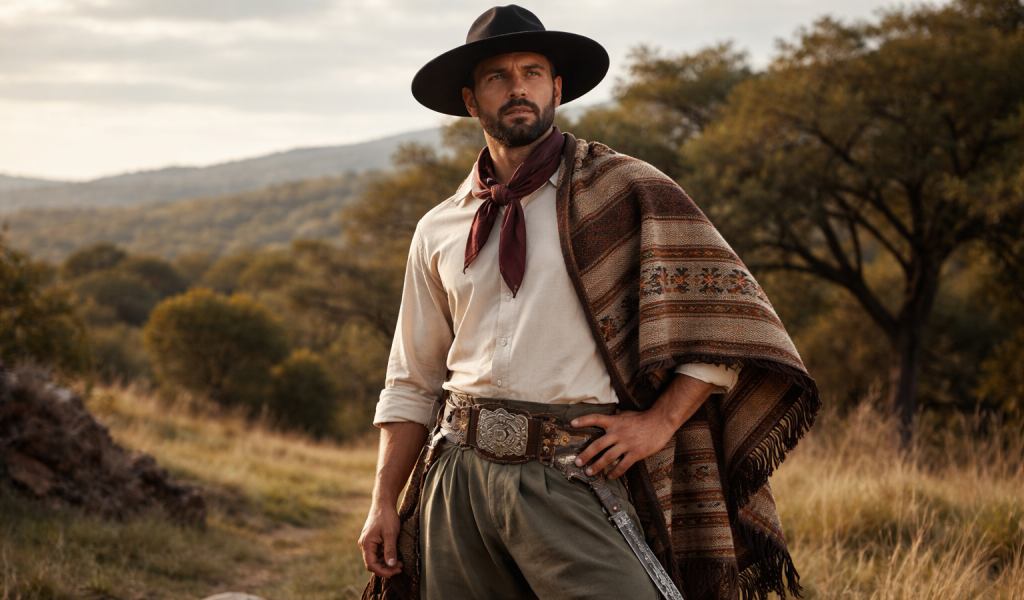
The gaucho outfit developed as a practical solution for life on the vast pampas. Designed for mobility, durability, and comfort, it reflects the demands of horseback work, ranching, and outdoor living. Each component of the ensemble serves a specific function, while also representing cultural identity.
Bombachas (Traditional Gaucho Pants)
Bombachas are loose-fitting trousers that allow freedom of movement while riding or performing ranch tasks. Typically made from cotton or wool, they are lightweight, breathable, and durable. The trousers are gathered at the ankles and tucked into boots, providing both protection and ease of motion. Some styles feature reinforced stitching at the seams to withstand long hours of work on horseback. Gauchos often select neutral or earthy colors that blend with the landscape, while decorative embroidery may indicate regional or family identity.
Shirts, Ponchos, and Outerwear
The gaucho shirt is usually simple, lightweight, and long-sleeved to offer comfort in both hot and cool weather. Over the shirt, the poncho serves as a versatile outer layer. Made from wool, it protects against wind and rain, and can be used as a blanket when resting outdoors. Ponchos often feature regional colors and patterns that distinguish different provinces. Beyond functionality, the poncho is a cultural symbol that carries historical and regional significance, often passed down through generations.
Boots and Footwear
Leather boots are essential for gauchos, providing protection, stability, and grip while riding or working on rough terrain. High-quality leather ensures durability, while the soles are designed to handle long days outdoors. In some regions, rawhide footwear or simpler leather shoes were historically worn for everyday tasks. Footwear choices continue to reflect the balance between practicality and cultural tradition.
Gaucho Accessories and Symbols
Accessories complete the traditional gaucho look and hold both practical and symbolic value. The boina, a soft beret, or a wide-brimmed hat offers protection from the sun. A neckerchief adds warmth and can be tied in different styles for comfort or fashion. The rastra belt, often decorated with coins or metal studs, secures the bombachas and can carry the facón, a large utility knife used in everyday tasks. Each accessory carries meaning and reflects the wearer’s social or regional background.
Paisana Traditional Clothing (Women’s Attire)
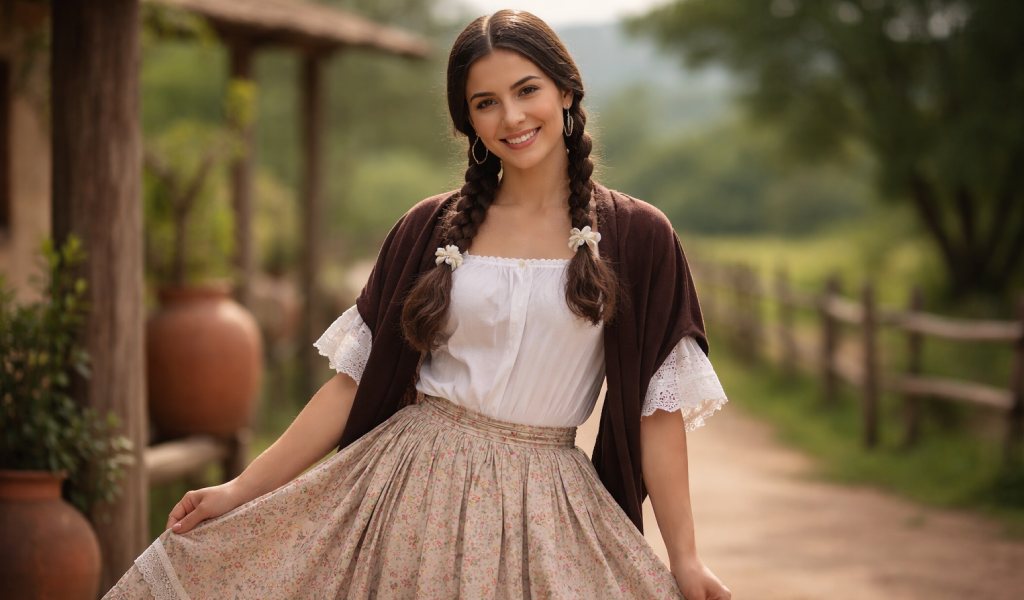
Paisana clothing reflects simplicity, modesty, and practicality, designed to suit the rhythms of rural life. Each piece of clothing balances comfort, functionality, and cultural identity, allowing women to work outdoors, move freely, and participate in community events while preserving traditional styles.
Skirts and Blouses
The core of paisana attire includes long, full skirts paired with lightweight blouses. Skirts are usually made from cotton or other breathable fabrics that allow ease of movement during daily activities such as farming, walking, or household chores. Blouses are simple in design, often in light colors, and provide comfort in warmer climates while layering is possible for cooler weather. The combination of skirts and blouses reflects both practicality and traditional aesthetics, maintaining modesty without restricting mobility.
Footwear and Comfort
Alpargatas are the typical footwear worn by paisana women. These canvas slip-on shoes are lightweight, durable, and perfect for walking on uneven terrain, making them ideal for rural life. Comfort was essential since women spent long hours standing, walking, or performing manual work. In addition to alpargatas, some women adapted leather or fabric shoes depending on the season or occasion, ensuring functionality did not compromise cultural tradition.
Hairstyles and Accessories
Hairstyles and accessories complete the paisana look while adding subtle decorative elements. Hair is traditionally styled in two long braids, which keeps it neat, manageable, and suitable for outdoor work. Women often wore a mantilla shawl for warmth or decorative purposes. The shawl could be draped over the shoulders or wrapped around the head, serving both practical and cultural functions. Other accessories, such as simple jewelry or ribbons in the hair, emphasized individuality while remaining aligned with the understated, functional style of rural life.
Regional Variations in Argentine Traditional Clothing
Argentina’s traditional clothing is not uniform across the country. Geography, climate, and cultural influences have shaped distinctive regional styles that reflect both practicality and heritage. Understanding these differences provides insight into the diversity of Argentine dress and the communities that preserve it.
Northern Argentina and Andean Influences
In the northern provinces, particularly those near the Andes, traditional clothing shows strong indigenous influence. Women’s skirts are often layered and made from heavier fabrics to provide warmth in cooler mountain climates. Brightly colored textiles and patterned weaving are common, reflecting local customs and symbolism. Men may wear ponchos with intricate designs specific to their community. These garments are both functional for the region’s varying temperatures and expressive of cultural identity.
Pampas and Patagonia
In the Pampas, gaucho attire dominates. Clothing is designed for horseback work and open grassland conditions, emphasizing mobility, durability, and protection. Men wear bombachas and leather boots, while women wear practical skirts and blouses suited for daily tasks. In Patagonia, clothing tends to be heavier due to colder temperatures. Wool garments, layered clothing, and insulated footwear are typical, providing both warmth and flexibility for rural and outdoor life.
Rural Provinces and Local Traditions
Across rural provinces, clothing reflects a mix of European and indigenous influences. Materials and patterns vary based on local resources and traditions. In some areas, braided belts, decorative ponchos, or specific hats distinguish communities or families. Women’s attire often incorporates shawls or mantillas that serve both decorative and practical purposes. These variations highlight the interplay between heritage, environment, and daily life in Argentina’s diverse regions.
Traditional Clothing in Argentine Folk Dances
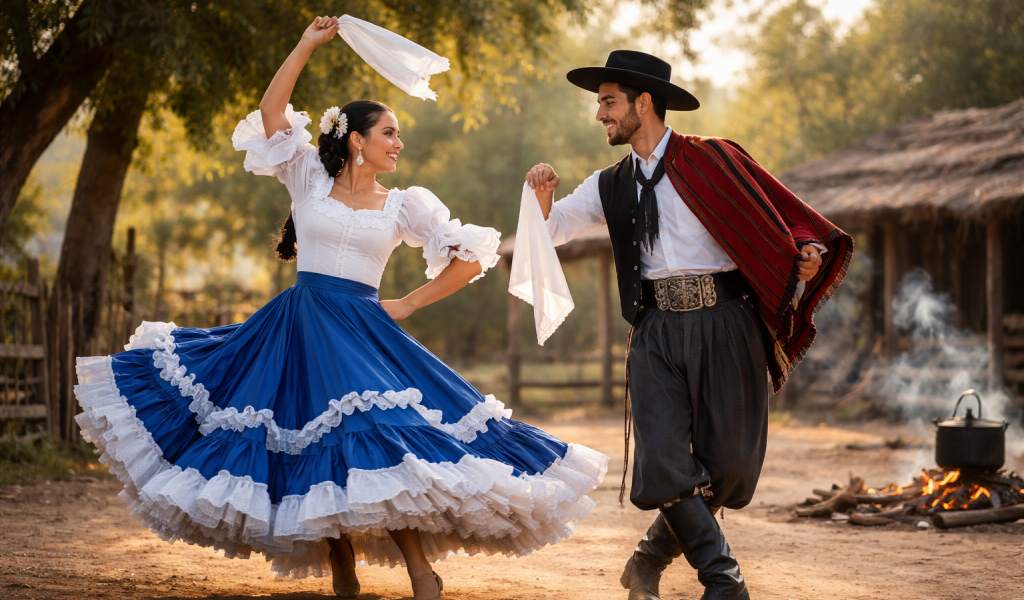
Traditional Argentine clothing plays a central role in folk dances such as the Zamba, Chacarera, and other regional performances. Costumes are designed not only for aesthetic appeal but also to enhance movement, express emotion, and tell stories connected to Argentine history and rural life. Each dance incorporates specific clothing elements that highlight the cultural identity of the performers.
Zamba Costumes
In the Zamba, women often wear long, flowing skirts paired with fitted blouses that allow for graceful spins and elegant movements. The skirts are typically layered, creating a visual effect that emphasizes the rhythm and flow of the dance. Men usually wear gaucho-inspired outfits with bombachas, boots, and wide-brimmed hats, which add authenticity while providing freedom of movement. The use of handkerchiefs in the Zamba adds an expressive tool, and their colors often complement the dancers’ attire.
Chacarera and Regional Dances
The Chacarera features similar functional clothing with regional variations. Women’s skirts are wide and light, allowing ease of movement for lively footwork. Men’s attire includes practical shirts, boots, and belts, reflecting the influence of rural and gaucho traditions. Both men and women may incorporate ponchos, sashes, or hats that represent their provincial origins. These elements are not just decorative but reinforce the storytelling aspect of the dance by signaling regional identity, social roles, or historical references.
How Costumes Enhance Performance
Folk dance clothing in Argentina is carefully designed to support performance. Flowing fabrics accentuate spins, jumps, and turns, while fitted elements allow control and comfort. Colors, patterns, and accessories such as shawls, belts, or hats add visual interest and often symbolize local customs or traditions. By blending practicality with artistry, Argentine folk dance clothing connects performers and audiences to cultural heritage while supporting the physical demands of each dance.
Traditional vs Modern Clothing in Argentina Today
In contemporary Argentina, traditional clothing is rarely worn in daily life. Urban areas such as Buenos Aires favor modern, Western-style fashion, emphasizing comfort, quality materials, and current trends. While the practical garments of the gaucho or paisana were once essential for rural life, city dwellers now prefer modern clothing that fits professional, social, and casual needs.
When Traditional Clothing Is Worn
Traditional attire continues to have a significant role during cultural events, folklore festivals, and national celebrations. Costumes are carefully worn for dances, parades, and commemorations, preserving the heritage of gaucho and paisana styles. Many regional festivals showcase authentic clothing from different provinces, often highlighting handwoven textiles, ponchos, and decorative accessories. These occasions allow both locals and visitors to experience Argentine traditions firsthand while maintaining their symbolic importance.
Modern Fashion Inspired by Tradition
Even in contemporary fashion, elements of traditional clothing occasionally influence designers and daily wear. Ponchos, high-quality leather boots, embroidered belts, and scarves may be adapted into modern outfits, combining practicality with cultural aesthetics. This blending of old and new allows Argentinians to honor their heritage while participating in global fashion trends. Modern clothing in Argentina thus balances function, style, and cultural memory, creating a connection between past and present.
Cultural Importance of Traditional Clothing in Argentina
Traditional clothing in Argentina carries deep cultural significance, connecting people to the country’s history, regional identities, and rural heritage. Beyond practical use, these garments symbolize national pride and the resilience of local communities, preserving practices that have been passed down for generations.
National Identity and Pride
Clothing such as the gaucho outfit or paisana attire represents more than style; it reflects Argentine identity. During festivals, parades, and national holidays, wearing traditional garments celebrates the country’s history and distinguishes its cultural heritage from global fashion trends. For many Argentinians, these garments evoke pride in their roots and serve as a reminder of shared values, customs, and traditions.
Preserving History and Rural Traditions
Traditional clothing also plays a key role in preserving the history of rural life. Garments were originally designed for practicality, durability, and comfort, tailored to the demands of work on farms or in the pampas. By continuing to produce, wear, and teach about these outfits, communities keep historical knowledge alive, ensuring that the skills, techniques, and stories connected to these garments are not lost over time.
Connecting Generations
Traditional attire acts as a bridge between generations. Older members of the community often teach younger generations how to wear garments properly, braid hair, or use accessories correctly. These practices transmit cultural knowledge, strengthen family bonds, and foster respect for heritage. Even when traditional clothing is not worn daily, it remains a living symbol of identity, linking the past, present, and future of Argentine society.
When and Where Traditional Clothing Is Worn
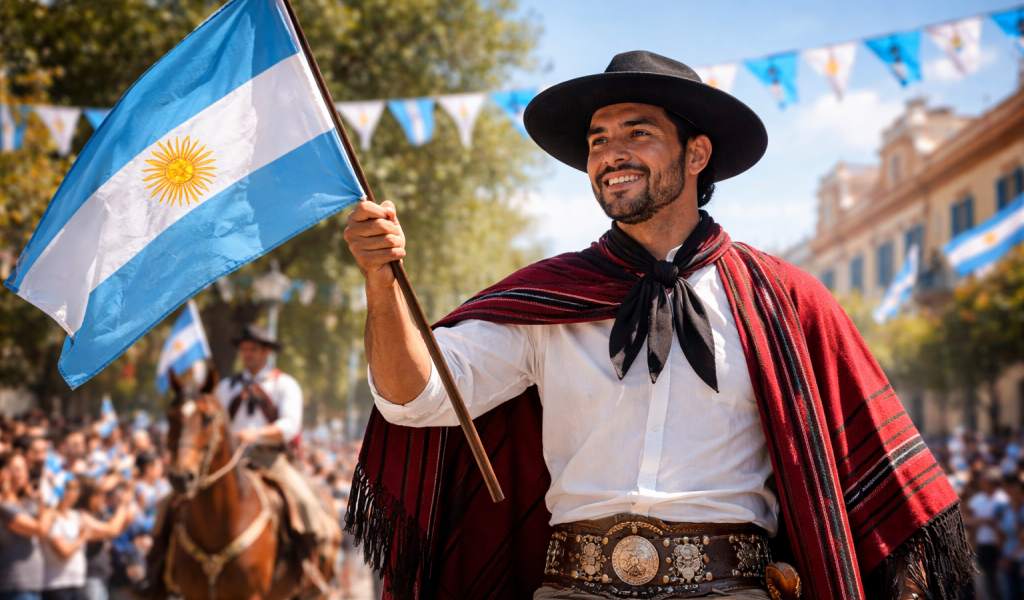
Traditional clothing in Argentina is now mostly reserved for special occasions, cultural celebrations, and performances that honor the country’s heritage. While everyday dress follows modern global trends, traditional garments continue to hold social and cultural significance.
Independence Day Celebrations
During Independence Day and other national holidays, many Argentinians wear traditional outfits to show pride in their history and identity. Men often don gaucho attire with bombachas, boots, and hats, while women may wear paisana skirts, blouses, and shawls. These garments help connect citizens to the country’s past while creating a shared sense of community during public festivities.
Folk Festivals and Rural Events
Traditional dress is prominently featured in folk festivals and rural events, where it enhances the performance of regional dances like the Zamba or Chacarera. Costumes are chosen for their functionality, visual impact, and cultural symbolism, highlighting local styles and craftsmanship. Festivals in the northern provinces, Patagonia, and the Pampas showcase distinctive clothing that reflects regional traditions, allowing communities to celebrate their heritage while educating visitors about local customs.
Tourism and Cultural Performances
Tourists often encounter traditional clothing during cultural performances, guided tours, and exhibitions. Dancers, musicians, and artisans wear authentic garments to demonstrate Argentine customs, providing an immersive experience. These occasions allow visitors to see the practical and symbolic aspects of traditional dress, while locals continue to preserve techniques such as weaving, embroidery, and garment construction.
FAQs
Argentina does not have a single national costume, but the most recognized traditional styles are gaucho clothing for men and paisana attire for women. These garments reflect the practical needs of rural life while carrying cultural and historical significance, and they are often seen during festivals and folklore performances.
Traditional clothing is mostly reserved for special occasions such as cultural events, folk dances, and regional festivals. While modern fashion dominates daily life, traditional garments continue to be worn as a symbol of heritage, connecting communities with their history and rural roots.
The poncho serves multiple purposes in Argentine culture. It provides warmth, protects against wind and rain, and allows freedom of movement for gauchos. Beyond its practical function, the poncho is a cultural symbol that conveys regional identity and reflects the traditions of different provinces.
Gauchos traditionally wear leather boots, which offer protection and durability for horseback riding and ranch work. For everyday tasks, simpler footwear such as alpargatas, lightweight canvas slip-on shoes, were commonly used. These choices combine comfort, function, and tradition.
Traditional clothing emphasizes practicality, durability, and cultural heritage. Modern Argentine fashion follows global trends, focusing on style, materials, and urban preferences. Elements from traditional attire, such as ponchos, embroidered belts, or leather boots, occasionally inspire modern designs, allowing heritage to influence contemporary clothing.
Final Thoughts
Traditional clothing in Argentina reflects the country’s rural heritage, gaucho traditions, and the diversity of its regions. Each garment tells a story about the lifestyle, environment, and cultural values of the communities that created it.
Even though modern fashion shapes daily wear in cities and towns, traditional outfits remain important symbols of national identity. They appear during festivals, folklore dances, and cultural events, helping Argentinians connect with their history and regional customs.
By preserving these garments and their associated practices, Argentine heritage clothing continues to influence contemporary style. Traditional fashion in Argentina serves as a living record of culture, craftsmanship, and the connection between past and present.